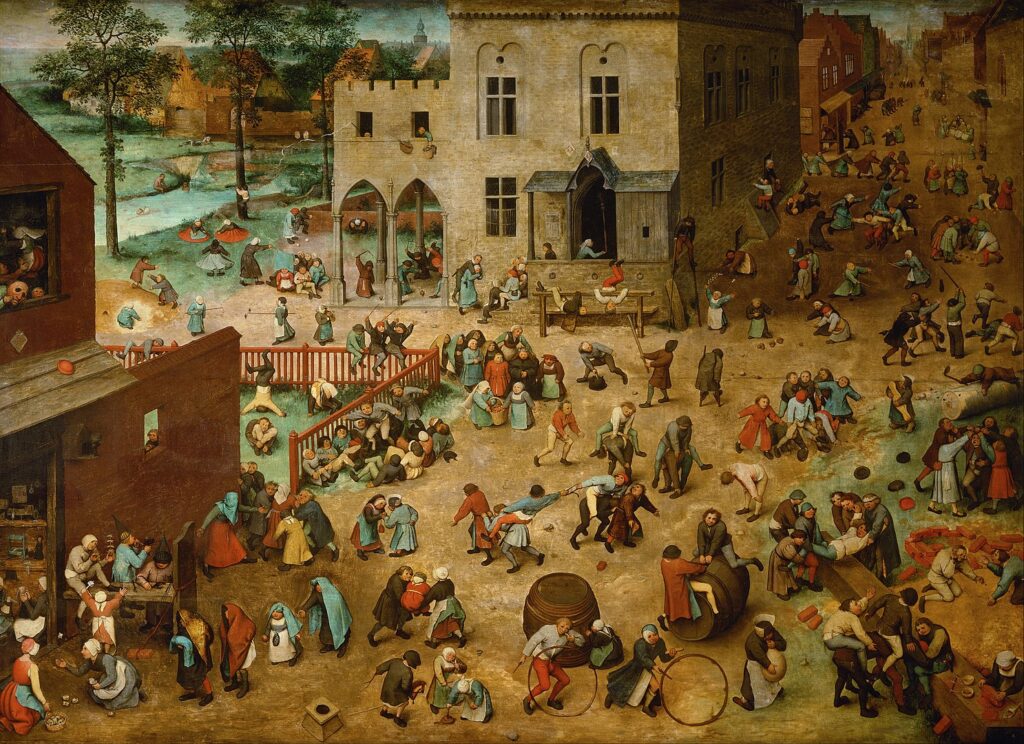
BRUEGEL, Pieter the Elder. Children´s games
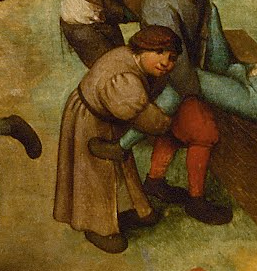
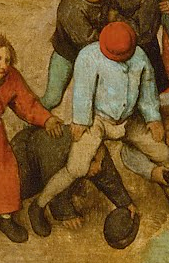
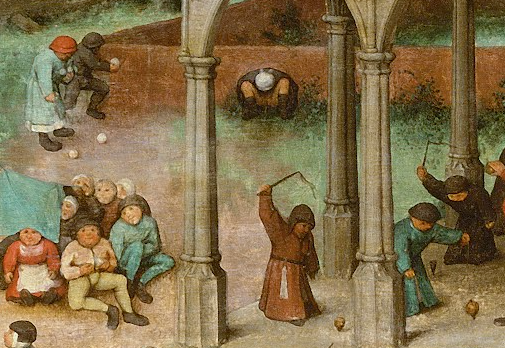
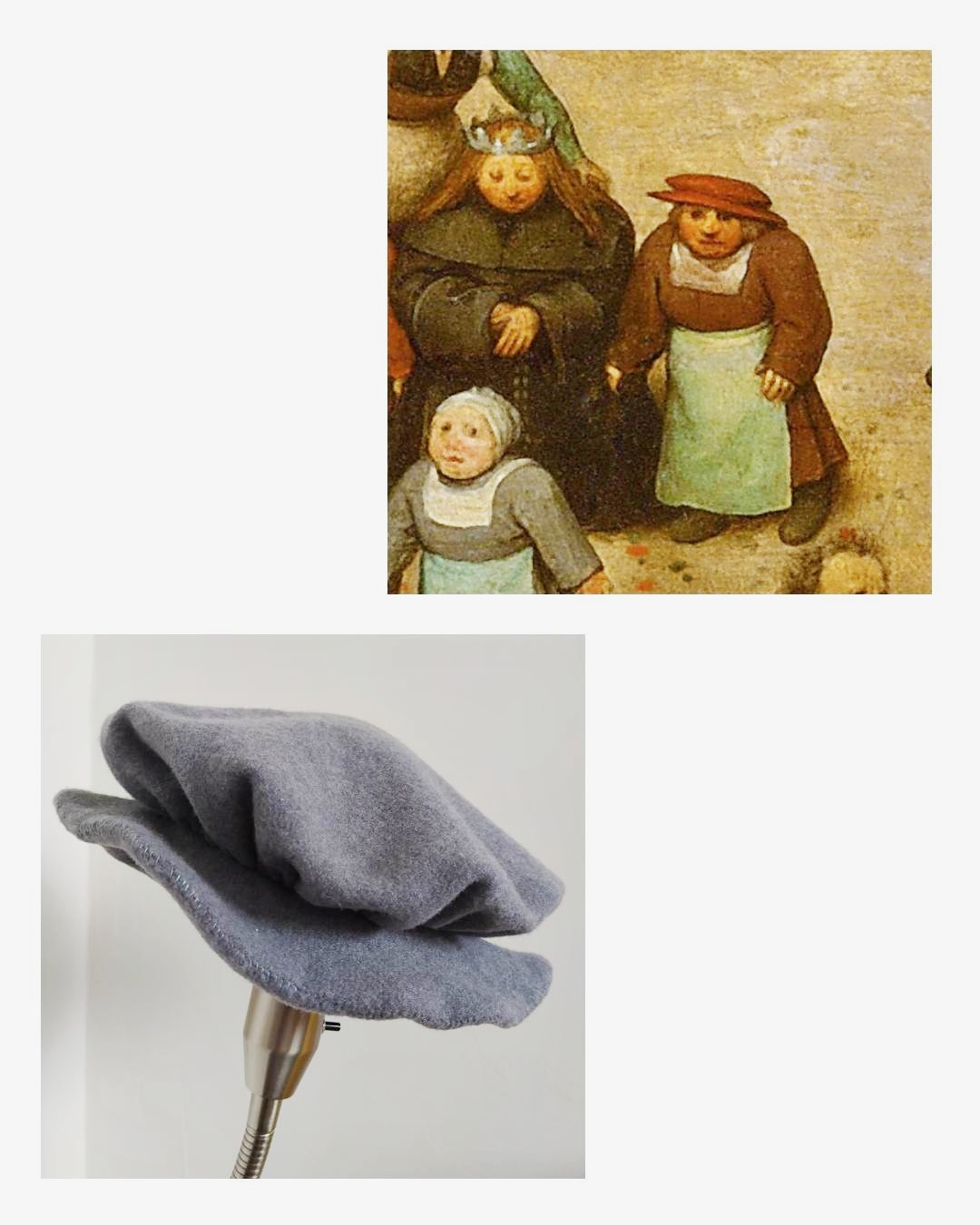
The inspiration comes from my favorite painting, "Children's Games" by Pieter Bruegel the Elder, painted in 1560, which depicts a number of bonnets on children's heads, see a few details below.
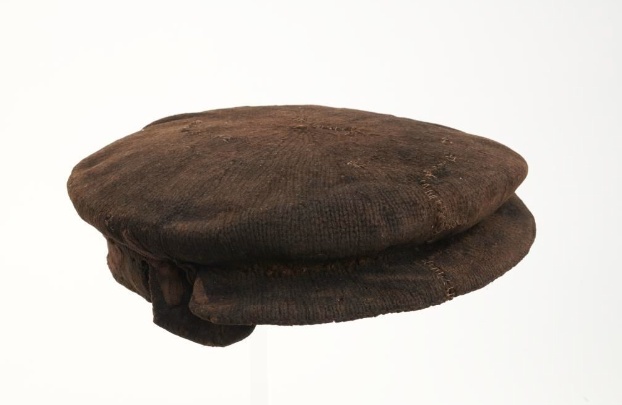
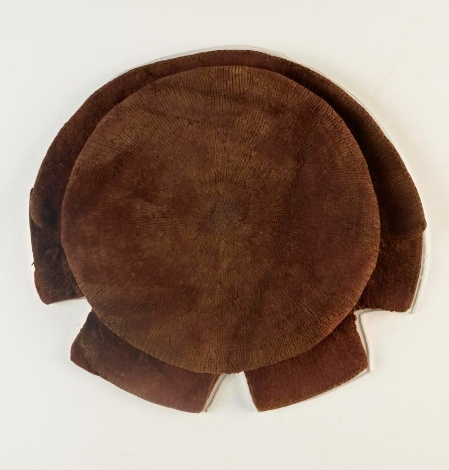
Another preserved cap, split-brimmed with slashed neckflap. Workers digging foundations for new buildings around London in the early 20th century found many pieces of clothing and textiles buried in the ground. Many of them are caps like these, most of which are in good condition. They were probably lost from the heads of their wearers or discarded when they became unfashionable (around 1570) and thrown into city ditches and cesspools. Unfortunately, as these were not formal archaeological excavations, all details that could help to date the caps more accurately were lost.
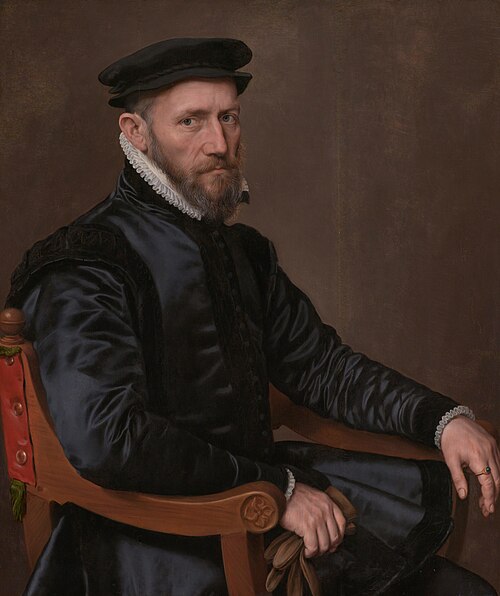
MOR, Antonis. Portraits of Sir Thomas Gresham and Anne Fernely
Sir Thomas Gresham (1519–1579) wearing a cap.
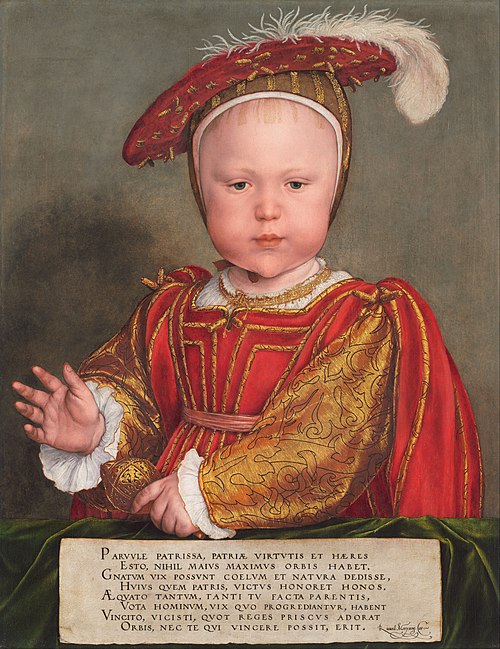
HOLBEIN, Hans the Younger. Edward VI as a Child
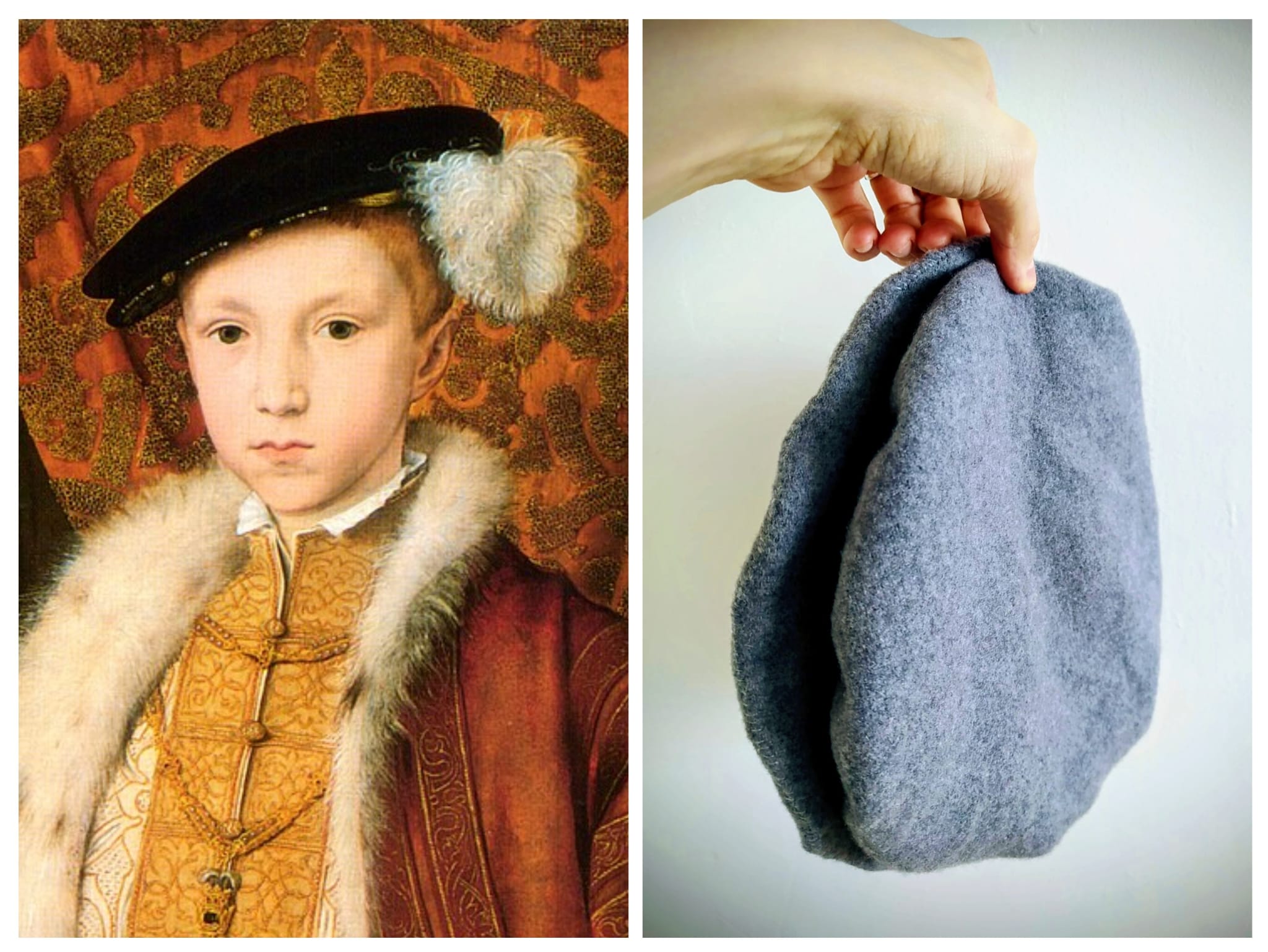
Another portrait of Prince Edward, also wearing a cap.
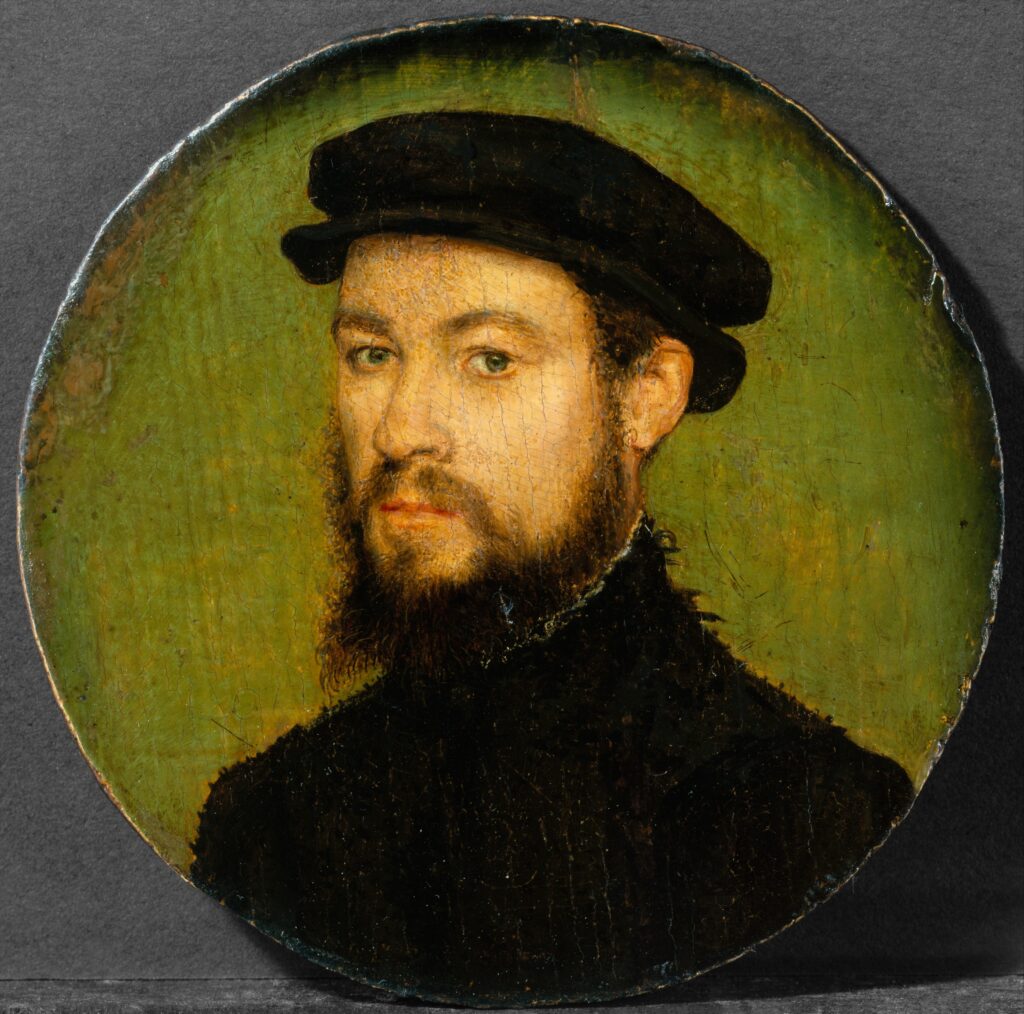
LYON, de Corneille. Portrait of a Man
This portrait shows a simple, single-color version of the bonnet. According to museum descriptions, these caps were sometimes also referred to as "apprentice" or "statute" caps. In 1571, a law was passed requiring every man over the age of six, with the exception of men of high rank, to wear a knitted woolen cap made in England on Sundays and holidays.
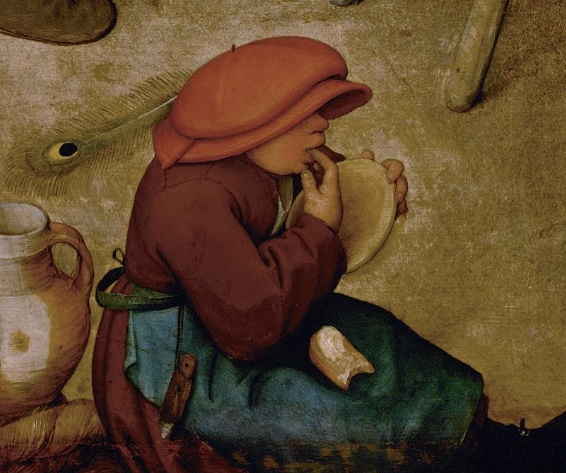
BRUEGEL, Pieter. Peasant Wedding
We can find lots of bonnets in other Bruegel paintings too. Museums say that some of them were trimmed with ribbons to look like the pricier silk versions. Wealthy Londoners wore headgear influenced by European fashion, and bonnets from Milan, decorated with ostrich feathers and brooches, were particularly fashionable. The painting depicts villagers (detail).
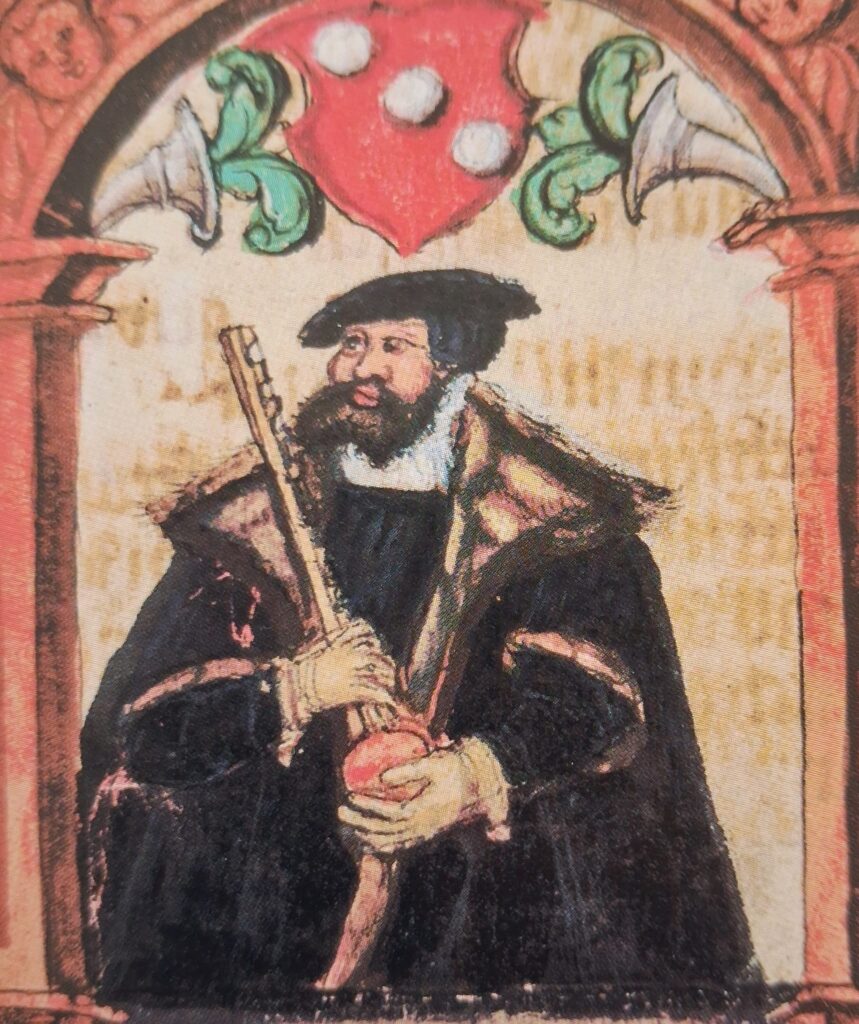
HASELBACH, Pankraz engelhard von. Chebská kronika
One domestic flat cap belonging to Bernhardin Schmidl, mayor of Cheb, photo taken from the publication Clothing in Western Bohemia in the 15th to 17th Centuries by Veronika Pilná (p. 45). In her publication, the author states that the large flat bonnet was a popular head covering for both men and women in the first half of the 16th century. It was worn on a hair net and tilted to one side, decorated with jewels and feathers. It quickly became popular among broad sections of the population, from nobility and townspeople to soldiers and mercenaries. (p. 51). At the end of the 16th century, bonnets were replaced by completely different types of headgear in Bohemia.
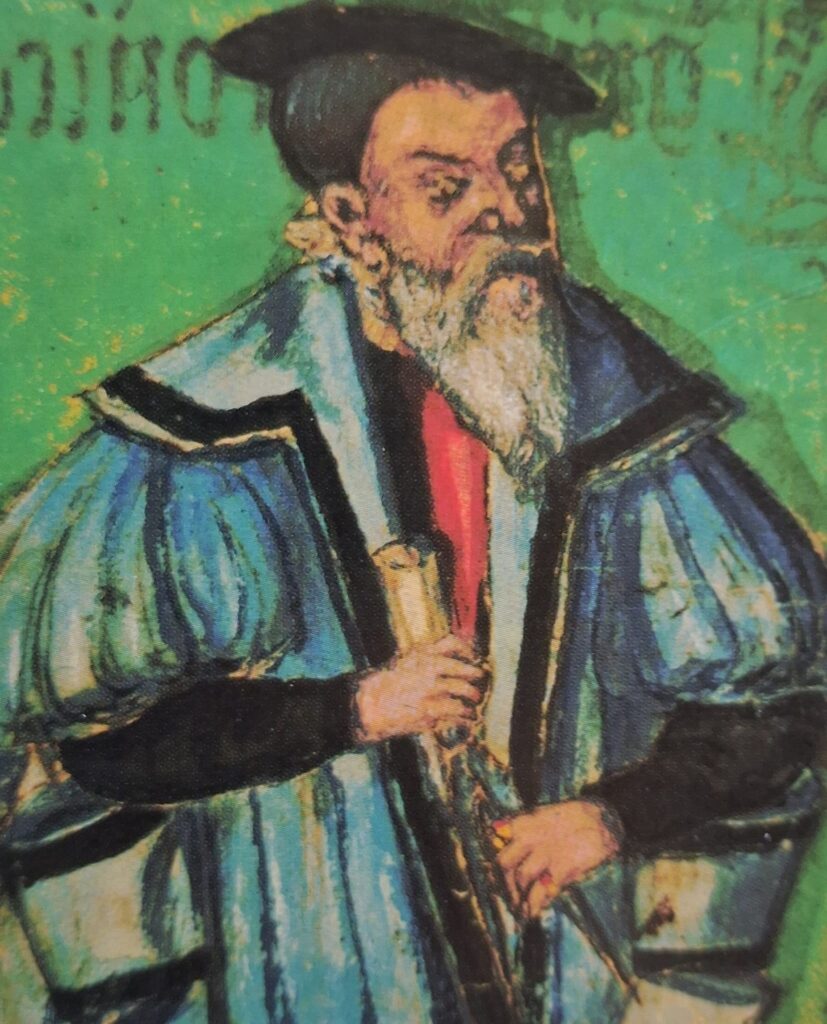
HASELBACH, Pankraz engelhard von. Chebská kronika
A photo from an illuminated manuscript is also included in the publication Clothing in Western Bohemia in the 15th to 17th Centuries by Veronika Pilná (p. 251) and depicts an older man—the primate of the city of Cheb—wearing a simple black bonnet set at a slight angle. Veronika Pilná also mentions in her publication knitted bonnets from the 16th century found in London and made using the circular knitting technique with multiple needles. It is not known to what extent this technique was used for bonnets in Bohemia, but it was used here as such (p. 51).
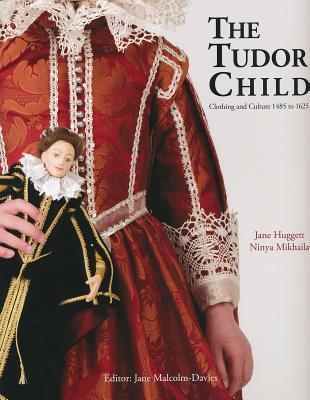
The pattern comes from my favorite publication, The Tudor Child: Clothing and Culture 1485 to 1625. It is very simple and can also be used for adults. It is suitable for the period 1485-1580 for all social classes and for the lowest class until 1625. According to Veronika Pilná, this type of bonnet was geographically very widespread - it was worn not only in Western Europe, but also in Central and Southern Europe (Oděv v Západních Čechách 15. až 17. století, str. 51).
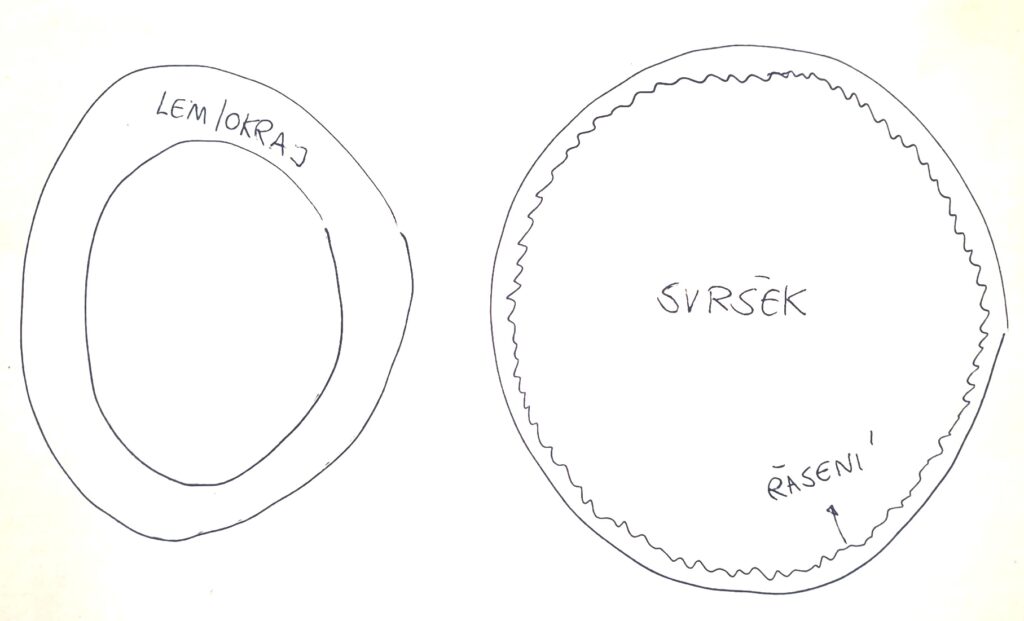
Základem střihu je spodní a svrchní díl baretu: obyčejný kruh tvořící svršek baretu a okraj, na který se tento kruh našívá - lem baretu. Na oba kusy se přidává 12 mm látky na švy.
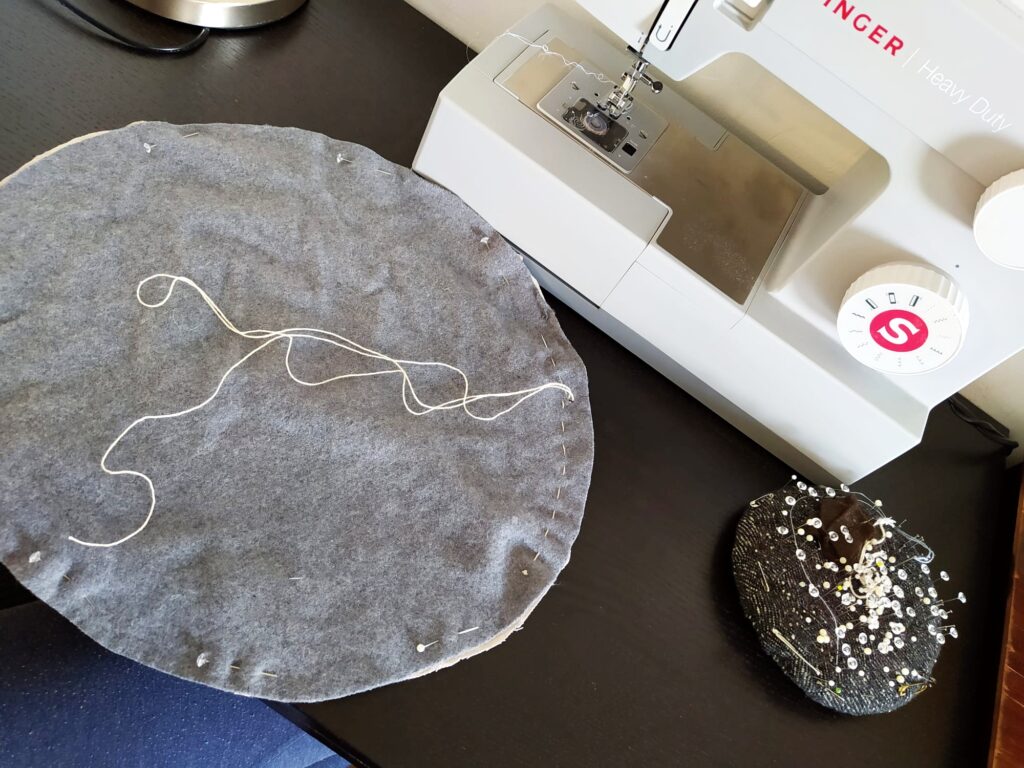
Zvolila jsem teplou šedou a velmi příjemnou vlnu. Důvodem je recyklace staré kapuce na středověké období, která již neměla využití a zároveň i vlastnosti látky - teplá vlna pěkné barvy.
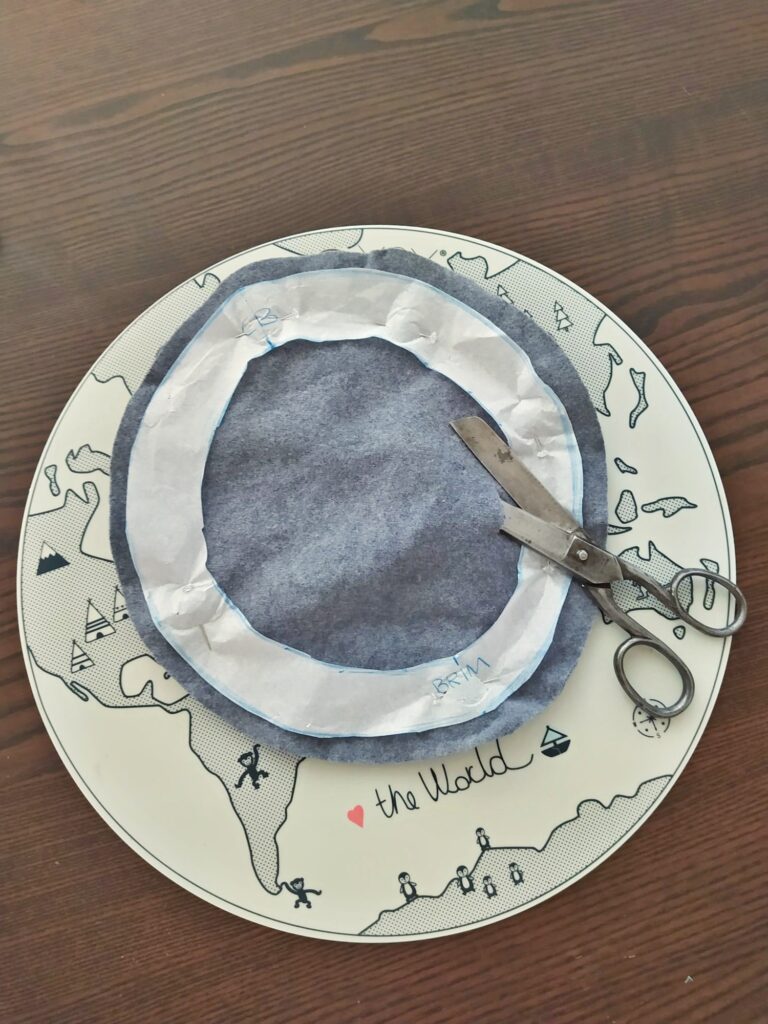
Střih v knize uvádí velikost baretu pro 10leté dítě s obvodem hlavy 56,5 cm. Střih lze přizpůsobit velikosti hlavy nositele jednoduše tak, že se zvětši nebo zmenší obvod vnitřního lemu - okraje baretu, tedy úpravou jeho vnitřního i vnějšího obvodu. Dle publikace se k odpovídající velikosti přidává 6 mm délky navíc.
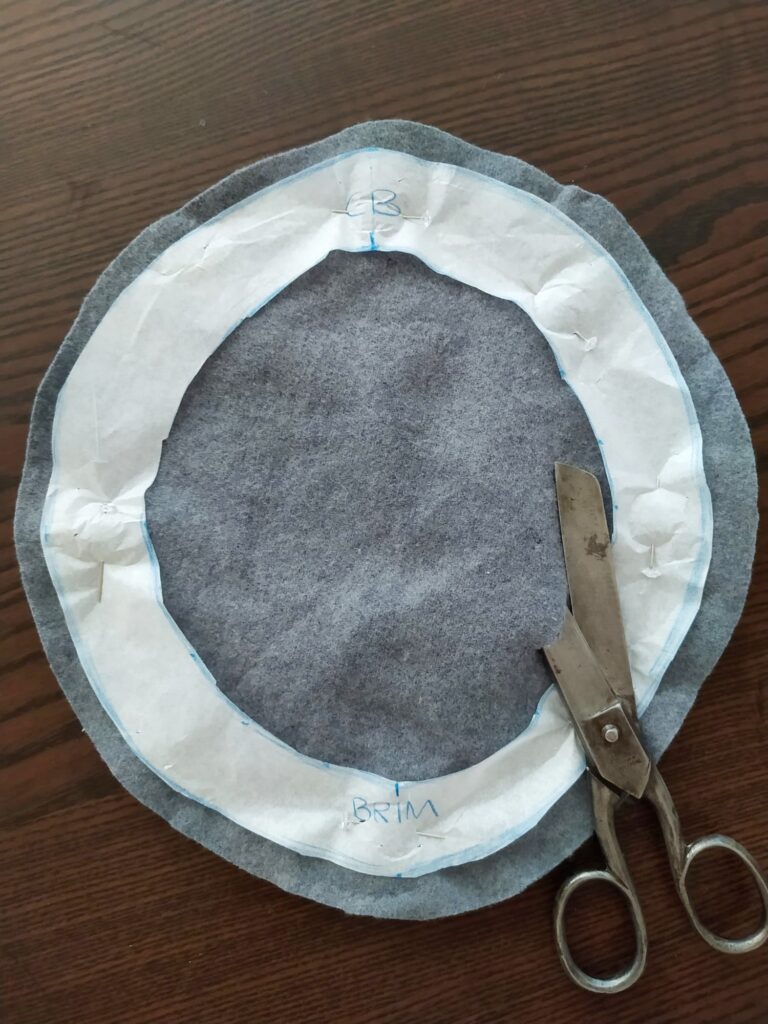
Pro jednoduchý vlněný baret, jaký jsem tvořila já, je zapotřebí vystřihnout dvě vrstvy spodního okraje. Pro ty, kteří by chtěli trochu lepší verzi baretu, lze do okraje všít drátek, kterým se baret dá při nošení různě tvarovat. Mně taková varianta připadala u dětí zbytečná a proto jsem ušila jednoduchý okraj bez drátku, který funguje velmi dobře.
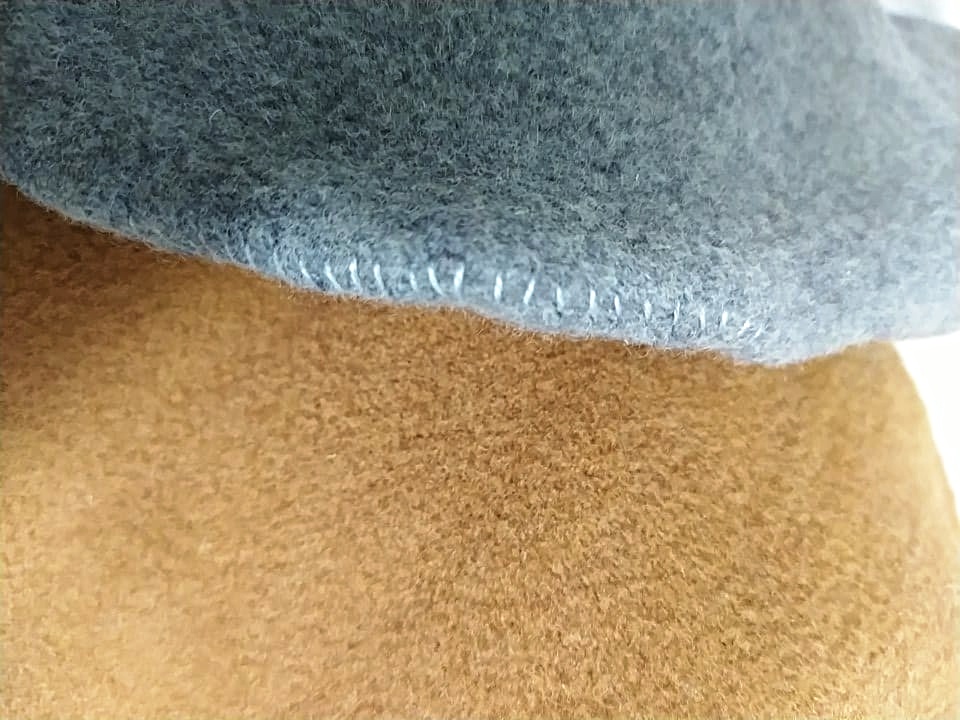
Dvě základní vrstvy spodního lemu jsem na vnější straně obšila - tento lem je vidět zpoza horního dílu baretu při nošení.
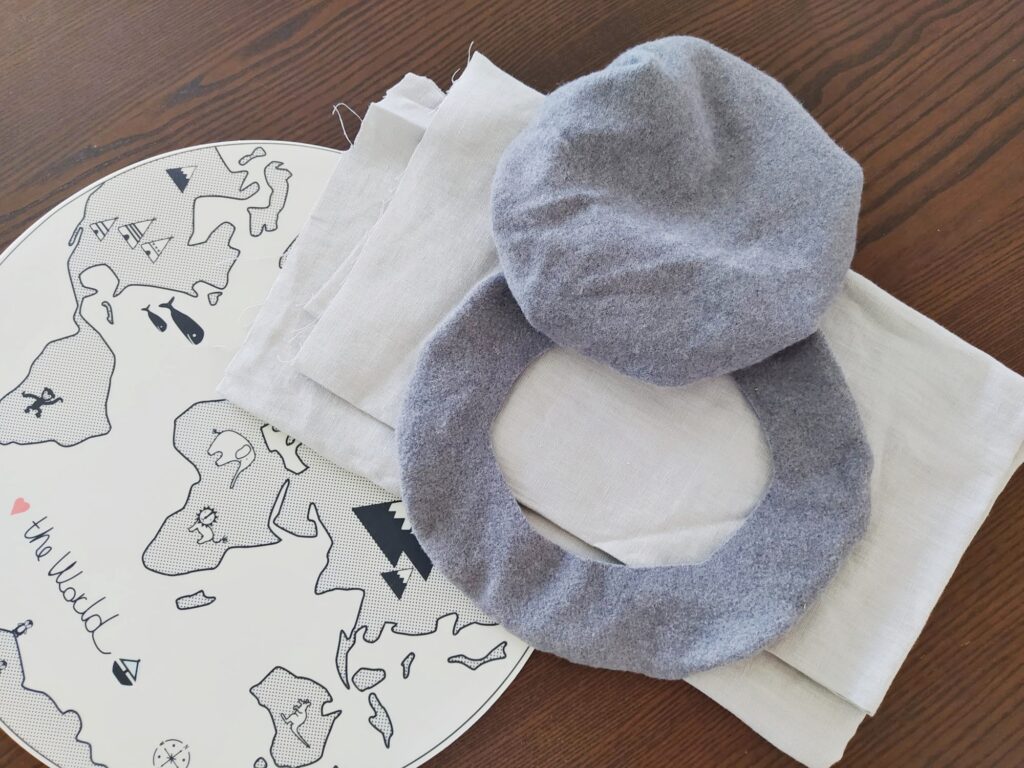
Na baret je kromě teplé vnější látky dobré použít i podšívku - já jsem zvolila světlý len. Jeho velikost se rovná velikosti horního dílu (svrchní části baretu).
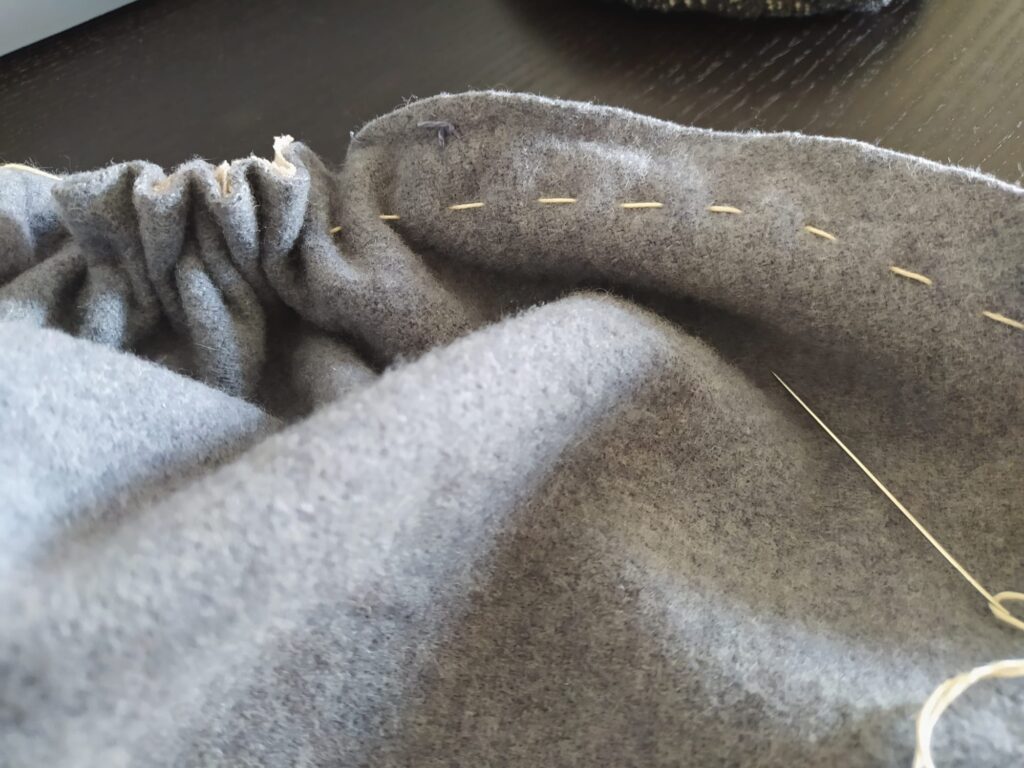
Oba kruhy - vlněný svršek baretu i lněnou podšívku jsem dala k sobě a tlustou nití nařasila. Obvod nařasení musí odpovídat vnitřnímu obvodu spodního okraje baretu. Já jsem baret nařasila nejdříve tlustou bavlněnou nití pro nastavení odpovídajícího objemu a poté zašila hustším švem, Takto sešité nařasení jsem pak připojila ke spodní části baretu.
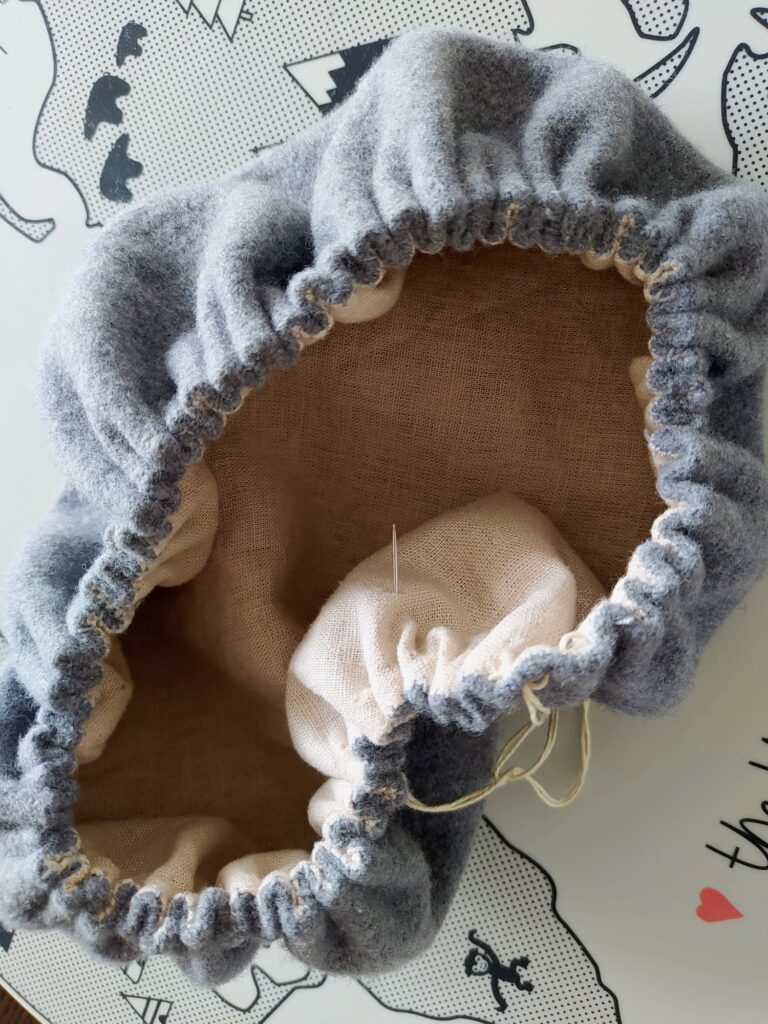
Po nařasení a jeho sešití hustším stehem jsem vytáhla původní bavlněnou šňůrku z baretu, která sloužila pouze pro snazší nařasení, nikoliv jako trvalý steh.
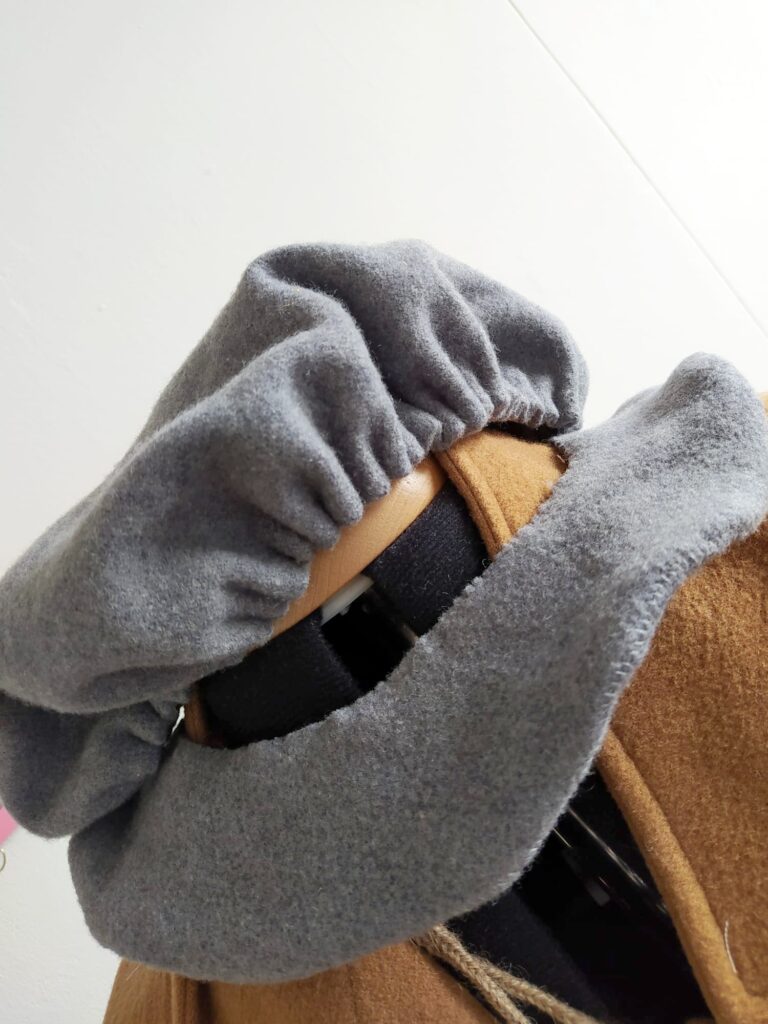
Tímto vznikl tedy nařasený a podšitý svršek baretu a lem, který je na vnějším okraji zašitý. Takto nařasený svršek je nutné přišít v místě nařasení na vnitřní obvod lemu/spodního dílu baretu.
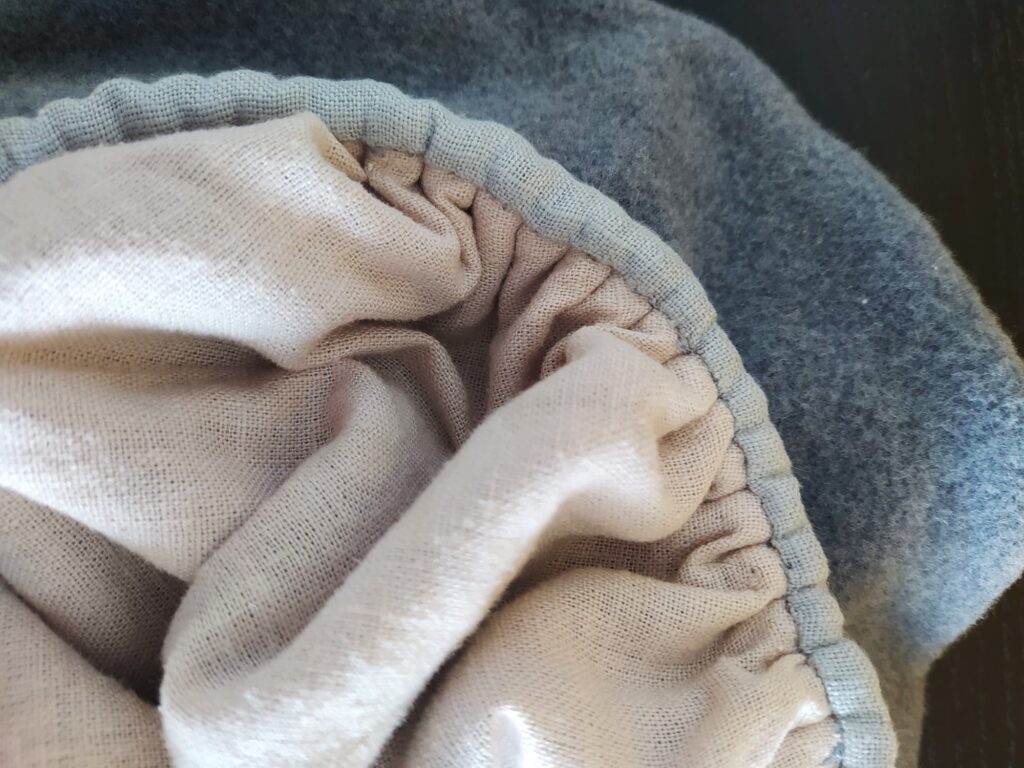
Po spojení horní a spodní části baretu je zapotřebí připevnit na nařasené připojení svršku baretu proužek podšívky (jakési zakončení hrubého spojení obou dílů) - já jsem použila len světle šedé barvy. Proužek látky by měl být 2,5 cm široký a měl by být stejně dlouhý jako obvod nařasení/vnitřního lemu spodní části baretu (je třeba jen přidat něco na okraj délky).
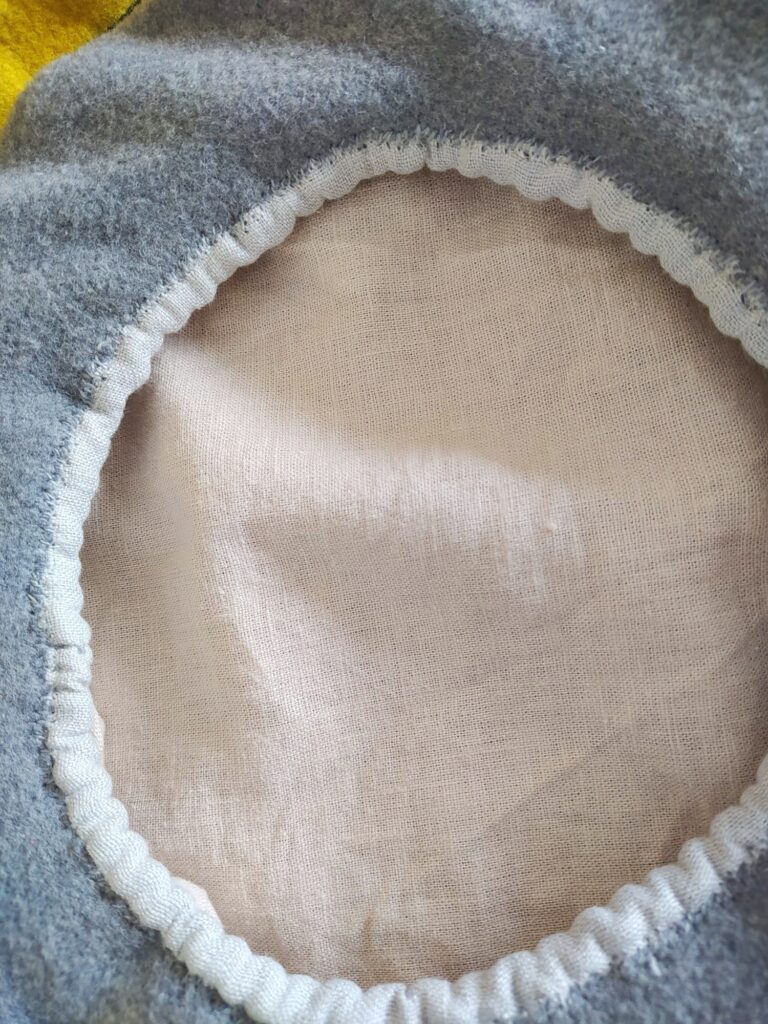
Vnitřek baretu po spojení všech částí dohromady.
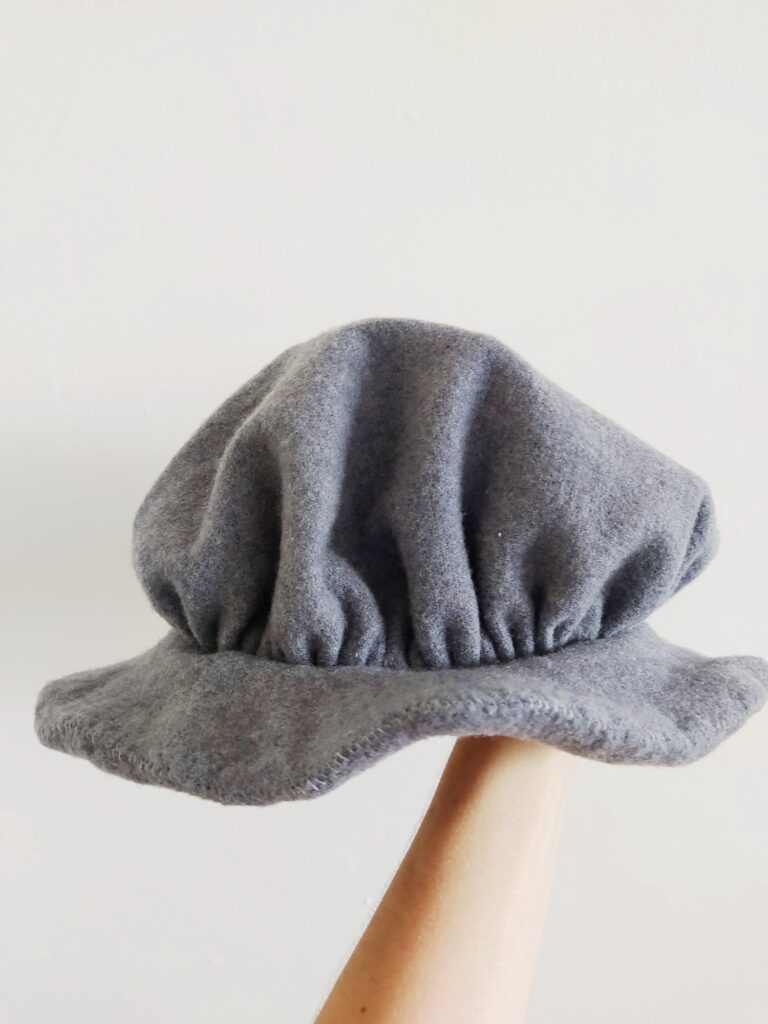
Hotový baret.
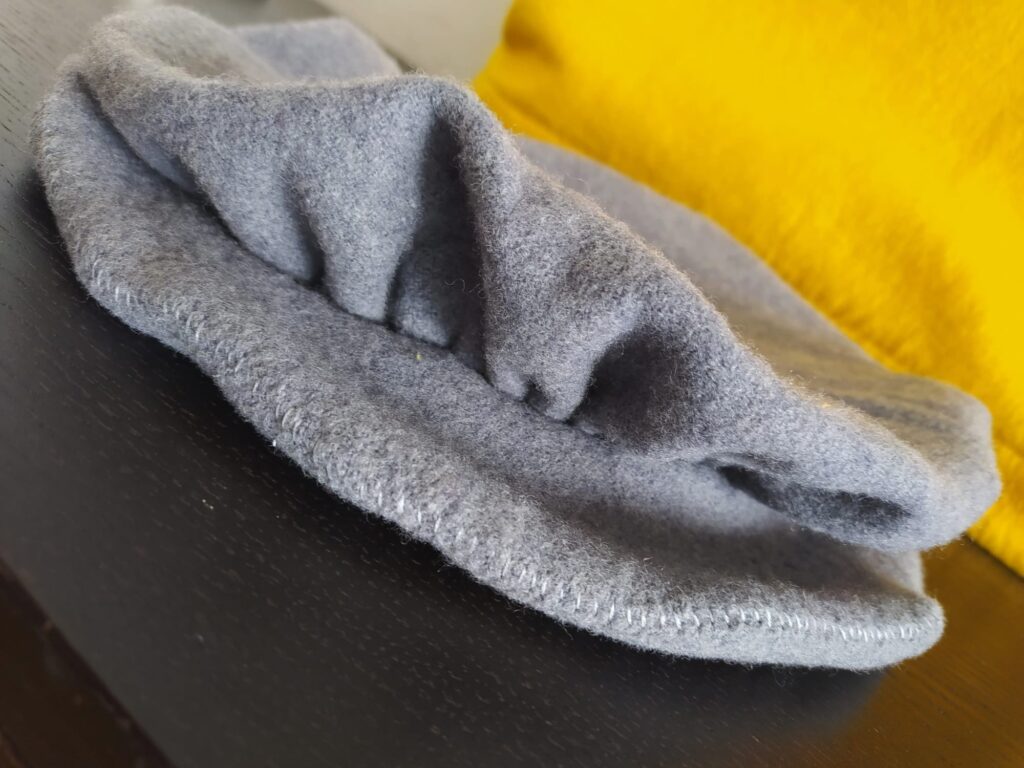
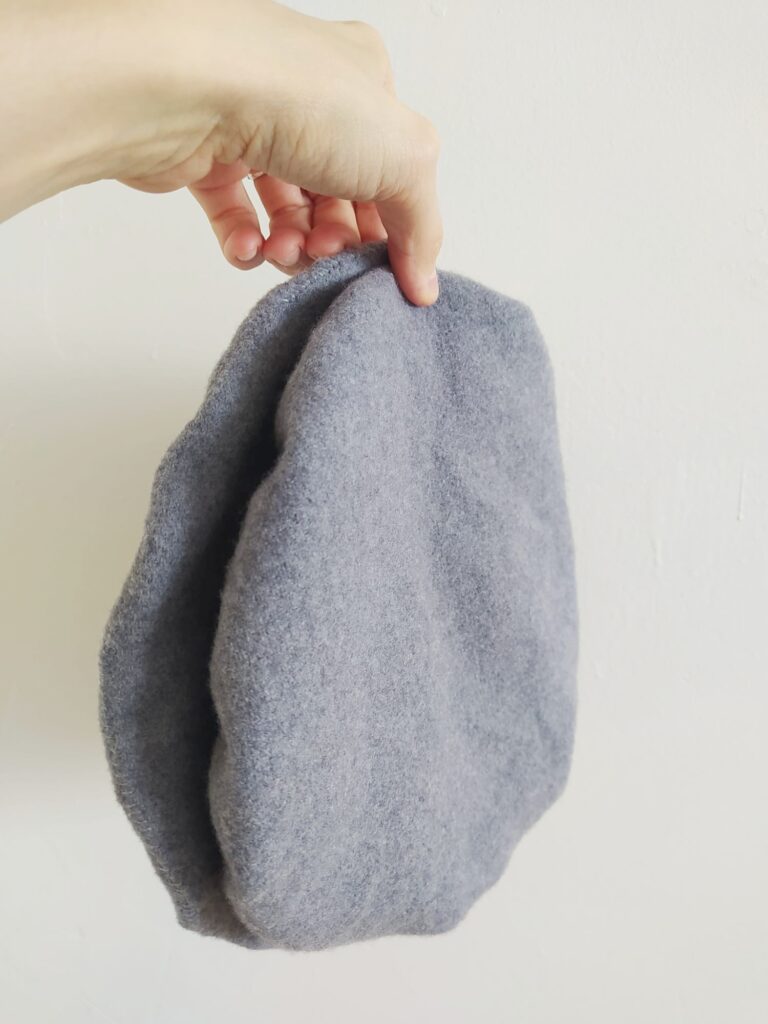
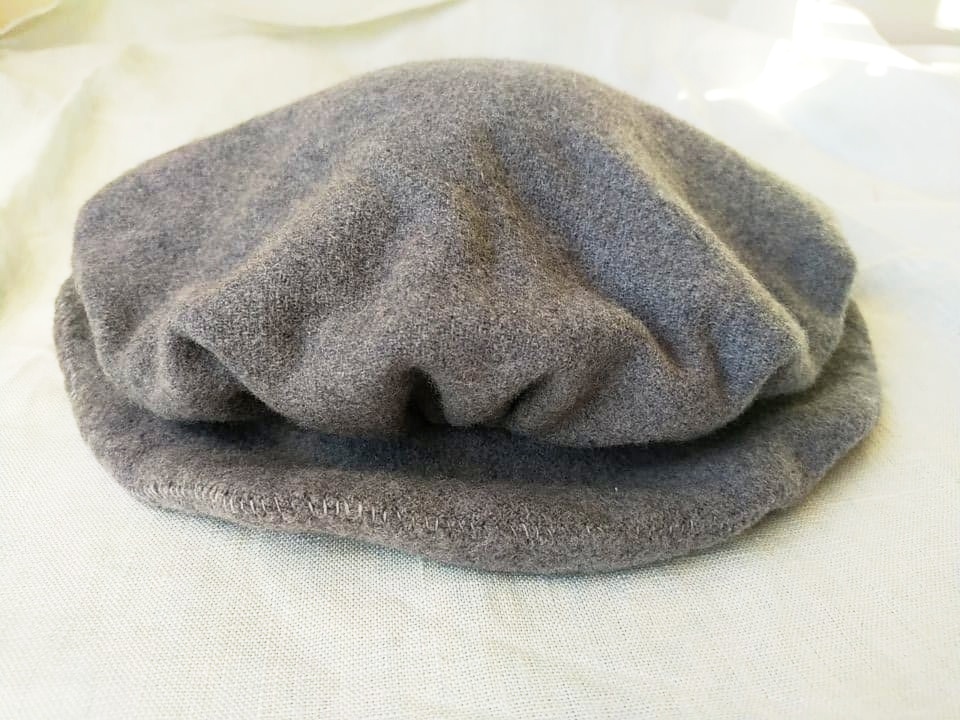
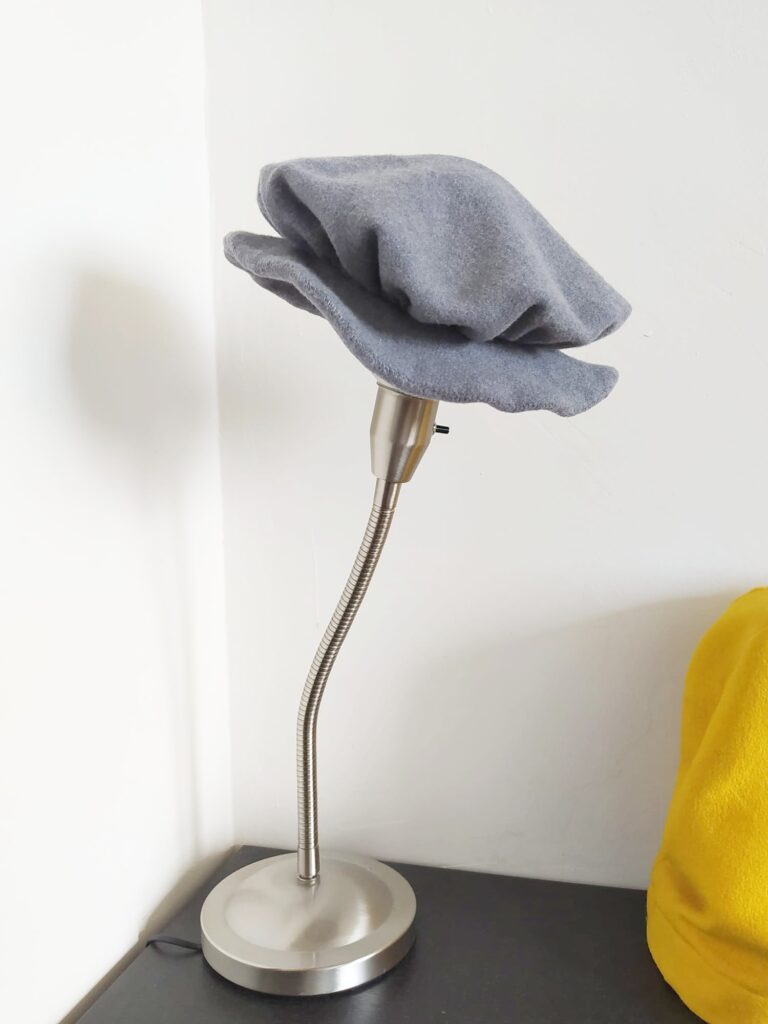
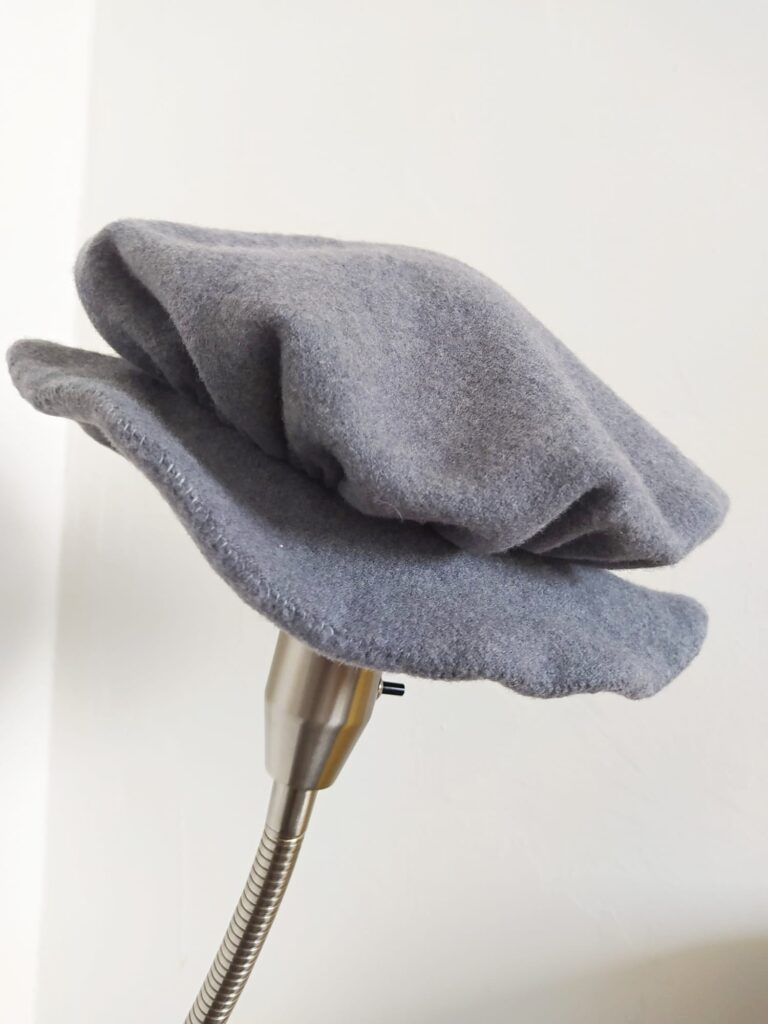
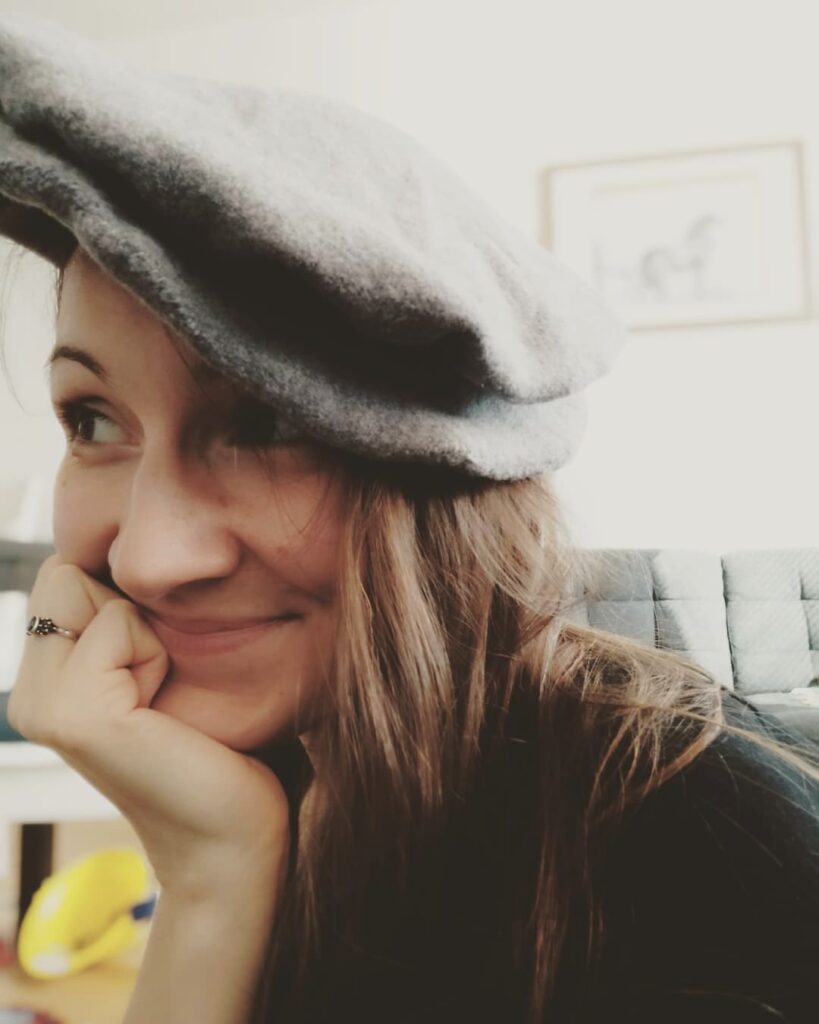
Přiznám se, že jsem si baret sama velmi oblíbila.
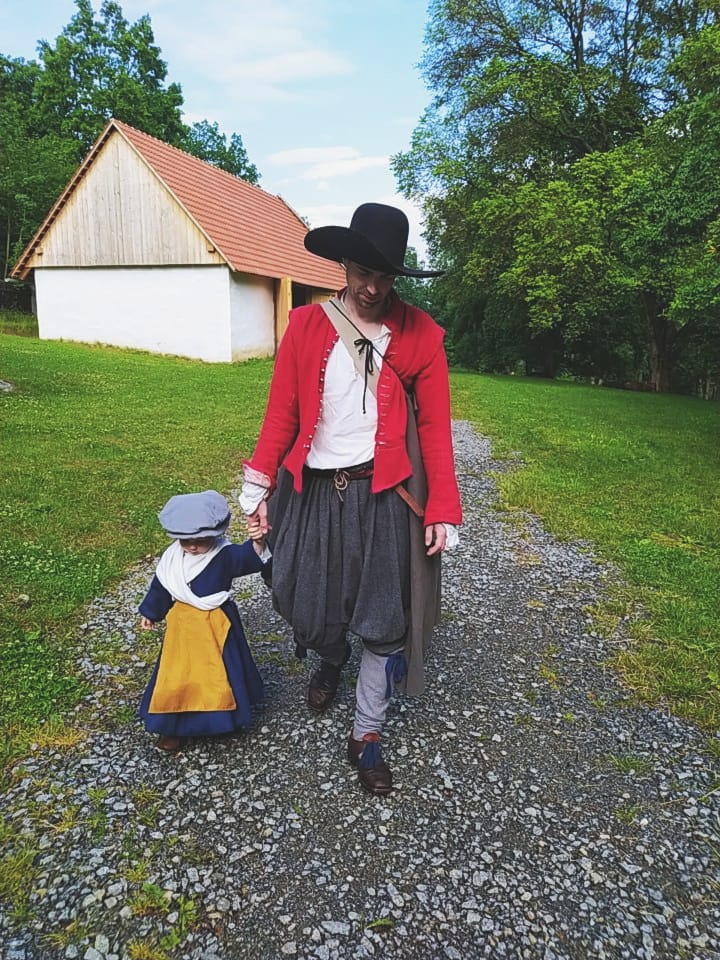
Baret v dešti na historické akci "Vojáci na vsi" ve skanzenu ve Vysokém Chlumci.